
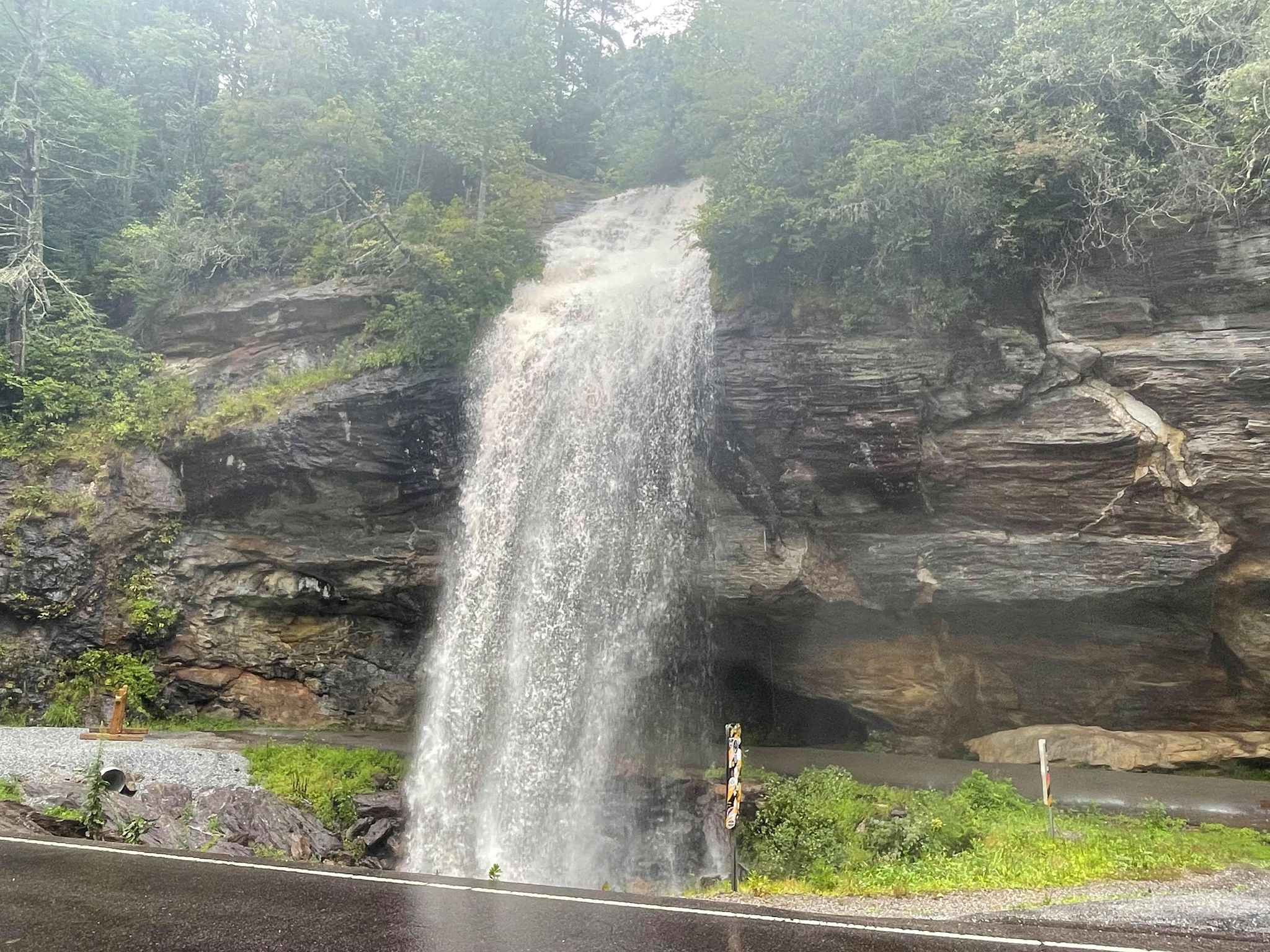
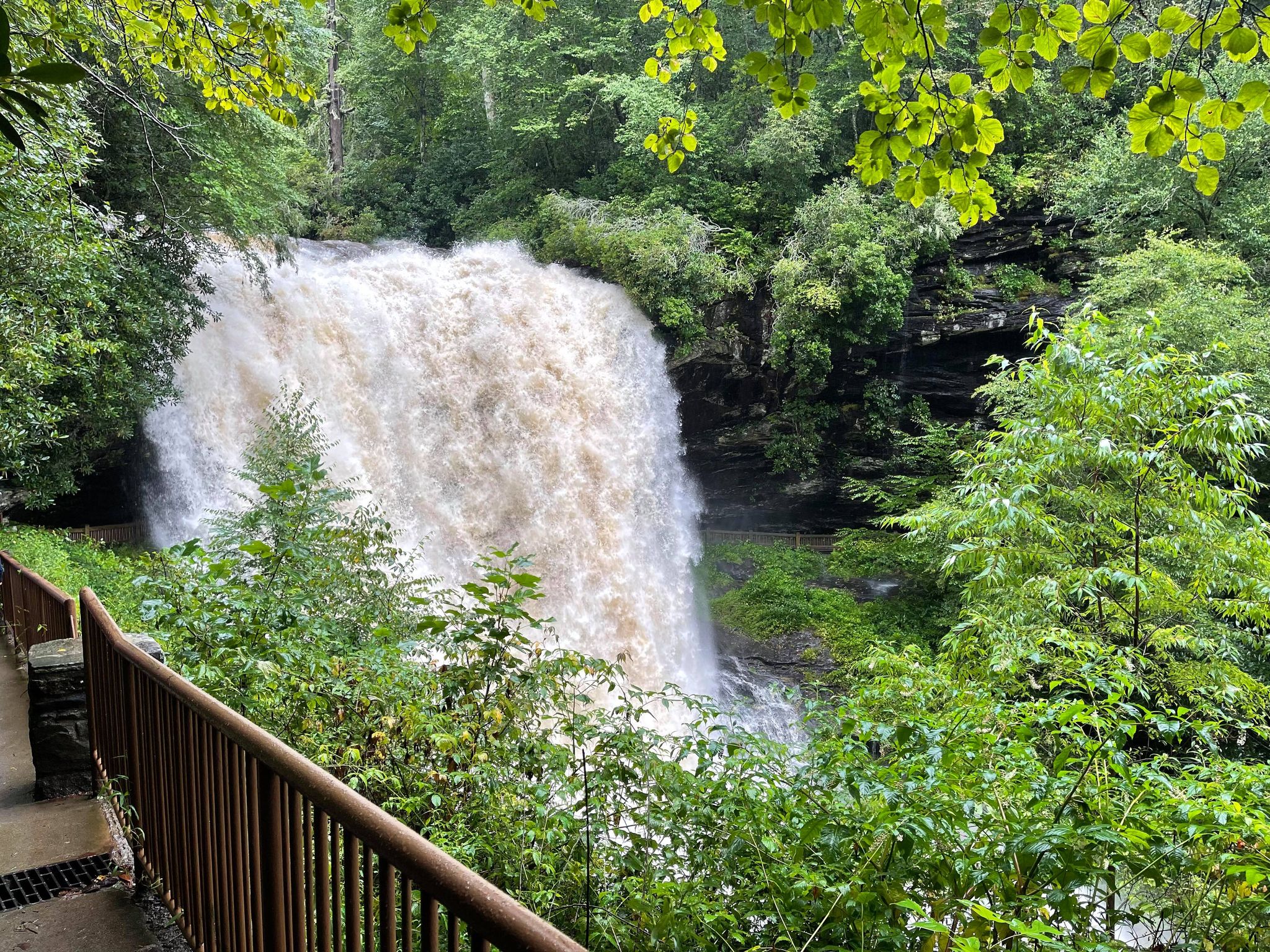
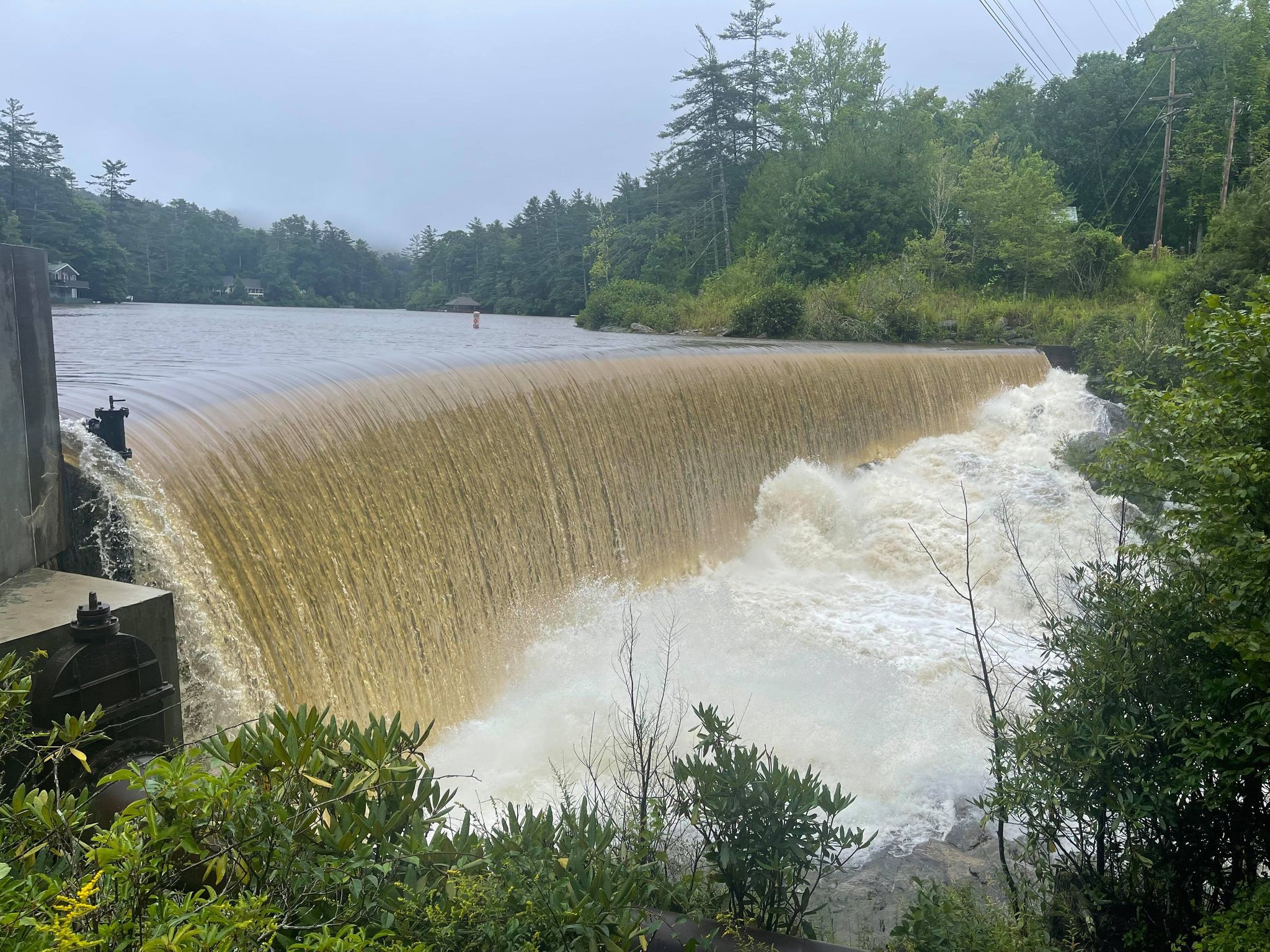
In August, Highlands saw a significant increase in rainfall because of Tropical Storms Fred and Ida.
The usual average rainfall in Highlands is 6.6 inches, but in August of this year, Highlands saw 20.05 inches of rain.
According to Jason Love with the Highlands Biological Station, Highlands saw 6.16 inches from Tropical Storm Ida and 10.46 inches from Tropical Storm Fred.
With the heavy rainfall, Love said there were not heavy winds, so it did not cause much damage in the area.
“We basically live in a temperate rainforest here on the plateau,” Love said. “So, the plants and animals just deal with the rain. They are used to growing in these conditions. Some species even thrive in it. I’m thinking of the salamander. Other species just hunker down and wait the rain out, like the birds and the mammals.”
Love said the most important factor to look at when it rains this much is the sediment from the roads and houses.
“With more roads and houses in the system, it makes it harder to deal with,” Love said. “It exacerbates and causes more sediment to get into the streams. One of the things that I have noticed is that the culverts are undersized. The culverts we have right now may have been good 40 years ago, but they are not designed to deal with the amount of rain we are having today. If you drive Cullasaja Gorge you will often see giant drop-offs on either side from all of the rain we have had and lack of maintenance of the roads.”
This amount of rain hasn’t been seen by Love since Hurricane Ivan and Frances back in 2004.
“When I think of back-to-back storms like we had in August, I immediately think of Hurricane Ivan and Frances,” Love said. “Those storms are what caused the Peaks Creek Slide, which killed five people. These were less intense storms, and the duration was a little bit longer, which means the ground was able to soak it up a little bit more.”
Since Highlands is in the middle of hurricane season, Love said they make sure to do things around the biological station to prepare for the storms.
“We make sure that our gutters are clear, especially around one of the dorms that has flooding issues,” Love said. “We might go look our water bars on the trails and make sure they are in good shape. Otherwise, we just hold our breath and just wait. We do have generators on some of our buildings.”
- By Christopher Smith