
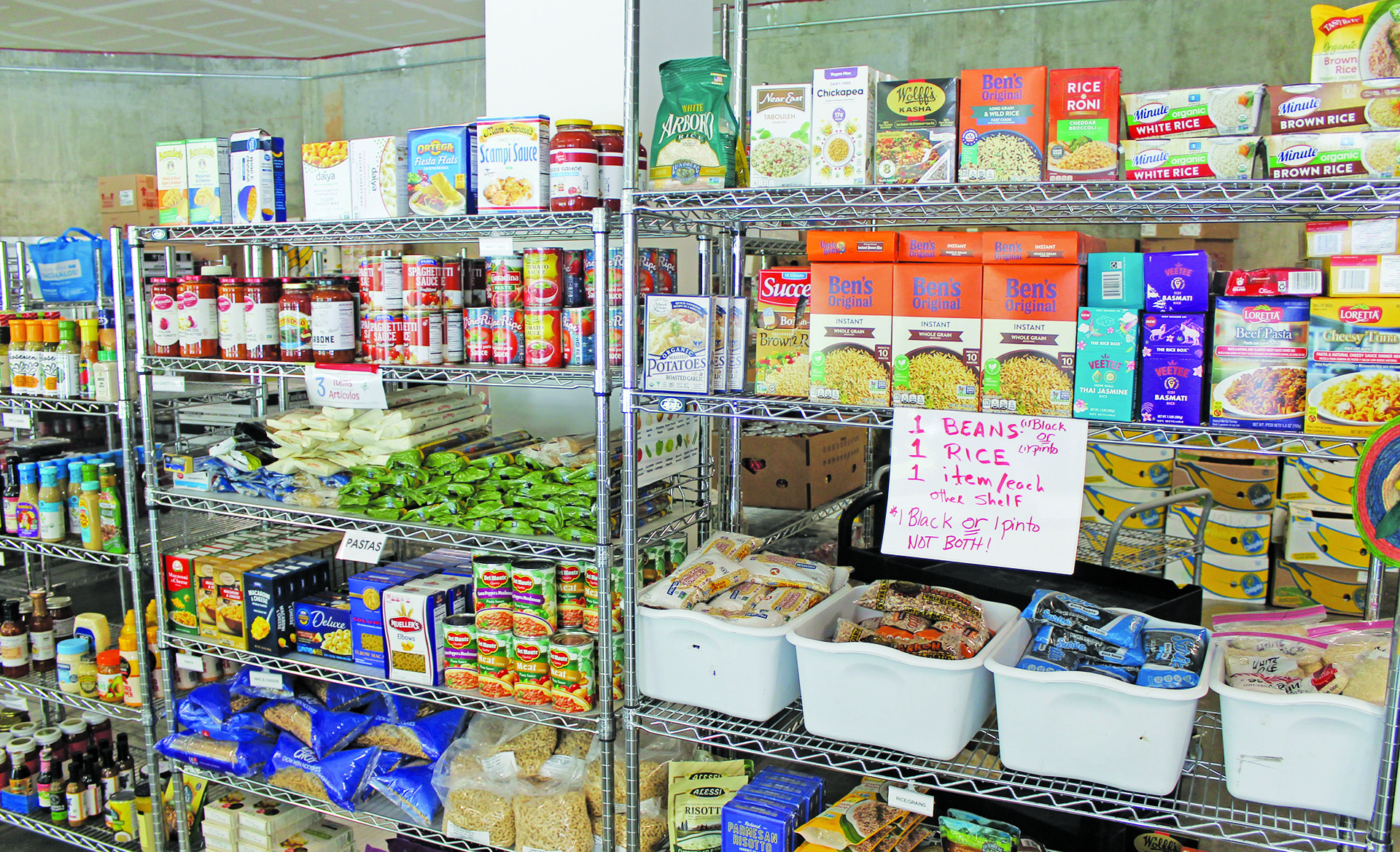
An explosion of new clients, coupled with rising food costs and diminished supply has created what T.J. Smith calls a “perfect storm” for the Highlands Food Pantry.
The rise in food pantry users has been staggering over the past 12 months.
“In January of 2022 we saw 930 food pantry users, and by November 2022 that number was up to 1,731, and this January it was right at 2,000,” Smith said. “Last year we had 350 of what we call ‘new users,’ meaning they have not come to the food pantry at any point in the past. In the first six weeks of this year we’ve added 50 more new users.”
Maintaining a sustainable food pantry during a period of unexpected and unprecedented growth in clients is no easy task. Add in supply chain issues, rising food costs due to inflation, and limited availability of certain food products and keeping the pantry running efficiently is a monumental undertaking.
“Everyone is talking about the price of eggs, because that has kind of been the headline for everyday people who are looking at their grocery bill,” Smith said. “Not only do we have to buy eggs, but we have to buy other products whose cost continue to increase.”
Even canned goods, traditionally the staple of food pantries, have seen cost increases and are getting harder and harder to find.
“We are served by MANNA Food Bank, which covers all of Western North Carolina, and they are members of a buying group that purchases food directly from the US Department of Agriculture,” Smith said. “USDA Canned Commodities are normally very cost effective and easy to get. The problem right now is that those same goods are used in disaster relief situations, humanitarian aid efforts, and other government functions. Recently, it has been difficult to get enough of the USDA Canned Commodities to keep our shelves stocked.”
The food pantry is supplementing the lack of canned goods with fresh vegetables, but that leads to additional logistical issues.
“Even though we pay wholesale prices for fresh produce, it’s still more expensive than canned and given where we are in the world it’s not easy to get fresh produce in January and February,” Smith said. “In January of 2022 we paid $2,500 in food costs. For January of 2023 that amount was $10,898, which is a 423 percent increase.”
Smith noted that with the purchasing agreements available to the food pantry, the organization can stretch a dollar much further than an average consumer, but even with the added buying power it’s not been easy to stay out of the red.
“When people make monetary donations to the food pantry, those funds are multiplied by the fact that we can buy more with the same amount of money,” Smith said. “I know the first instinct when people read that the food pantry needs donations is to go buy a bunch of items at a grocery store or Walmart and drop them off here, but what is more helpful is to save that time and effort and donate the money you’d have spent on those items.”
Monetary donations or non-perishable food item donations can be made at the food pantry (315 Main Street, behind the Methodist Church) from 10 a.m. to 5 p.m. on Monday, Tuesday and Thursday. Monetary donations can also be made online at www.internationalfriendshipcenter.org.