
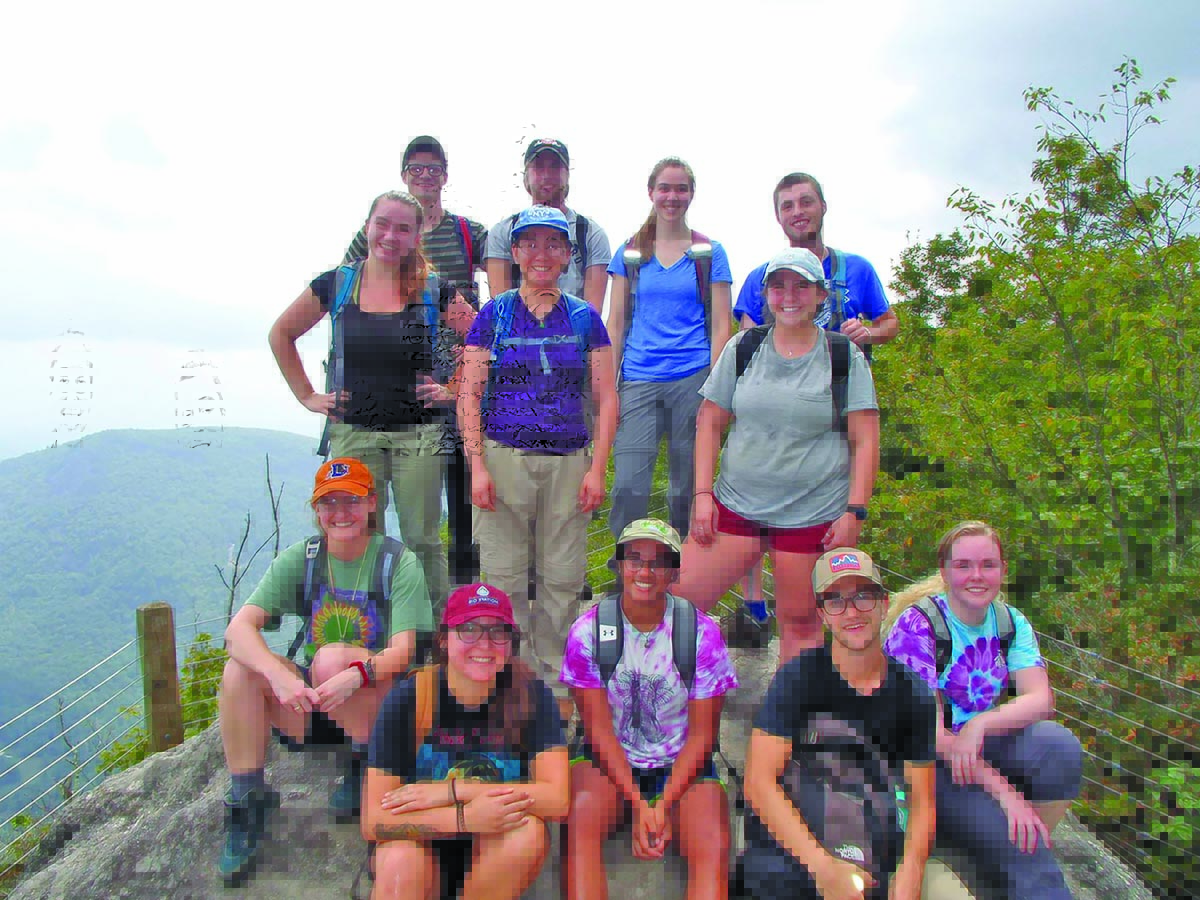
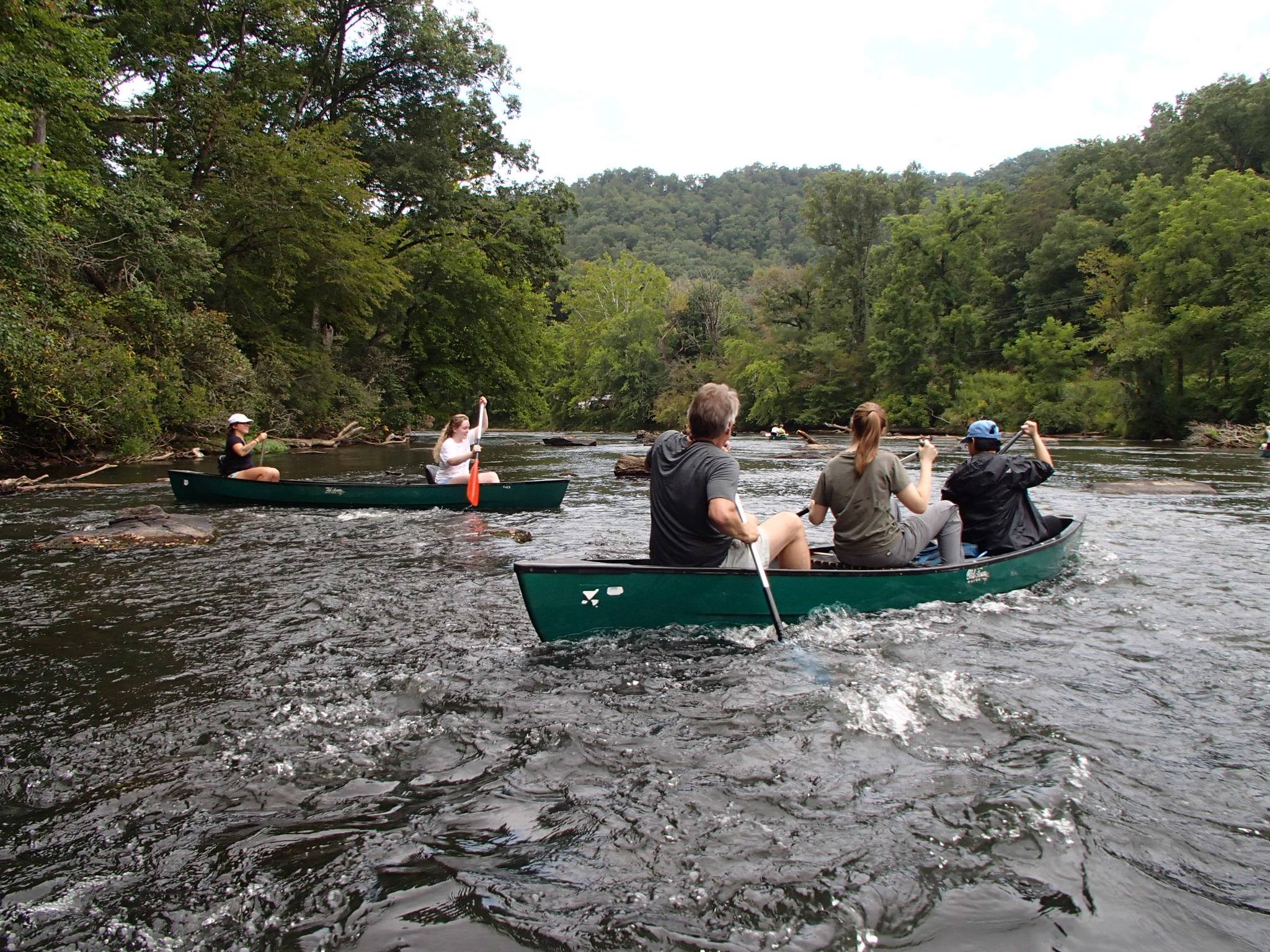
After taking a pause in courses in 2019 to revamp its curriculum, the Institute for the Environment at UNC Chapel Hill hosted by the Highlands Field Site program is back in 2021.
The Highlands Biological Station has hosted UNC-Chapel Hill’s Institute for the Environment semester program since 2001.
In this experiential program, students from UNC-Chapel Hill as well as other institutions take an immersive dive into southern Appalachian ecology, culture, and history, while gaining real-world field experiences using the latest technologies in environmental research and monitoring.
The station updated its fall 2021 semester-long program to reflect both the challenges and opportunities that the Anthropocene has brought to Appalachia.
Classes students will take include Southern Appalachian environmental and cultural history, human impacts in the Southern Appalachian, communicating science in the Anthropocene, research in environmental science and studies, remote sensing and landscape analysis and a capstone class that delves into the analysis and solution of environmental problems.
The capstone is a semester-long group research project charged with tackling an environmental research question. The experience emphasizes working as a team to conduct and present research that addresses an environmental issue for a client.
The last time HBS had this program in 2017, students presented research on the effect of aspect on salamander diversity at Big Ridge Property in Jackson County, Considerations for Bog Turtle, post fire soil CO2 efflux in Southern Appalachian hardwood forests, the ecology of postpartum female timber rattlesnakes in the Southern Appalachian Mountains, native bees of Highlands, old growth across the Chattooga River Watershed and much more.
“Basically 12 students from UNC Chapel Hill will come to Highlands and take courses here,” Highlands Biological Foundation Director Charlotte Muir said. “They will live in the dorm and most of their classes will be in the field. We took a couple of years off, so we could reboot the program. One of the big things that UNC Chapel Hill decided was that they wanted their own person here running the field site and to be here year-round to conduct long-term research and grow the program. We made our largest commitment that we have ever made; $100,000 for three years to support this position. We did that because this program is something that the foundation totally supports. Creating different generations of field scientists and bringing people to Highlands benefits our whole community.”
Dr. Rada Petric was named the new field site director for the I.E. Program.
She said she is looking forward to meeting the students and helping them develop their science skills.
“I am really excited to help these students know which way they want their career to go in,” Petric said. “I think one of the most attractive things about this entire program is that the students really get a lot of hands-on experience, and they are doing real world science. The data that they collect will not just be dumped, it will be used hopefully for a publication.”
Communications and events coordinator for the Highlands Biological Foundation, Winter Gary, was a student of the program back in 2017.
She said the program was her favorite semester of college.
“I wouldn’t even be working here without this program,” Gary said. “One of the main things that these field sites do is allow these students to network. That is a big thing, at least at UNC, that they try to highlight. I’m excited to see what new partnerships are going to happen this year and what projects they are going to do.”
One of the areas that Petric hopes to expand on is recruiting for the program.
“We want to start recruiting from not just Chapel Hill but expanding to some of the local universities like WCU,” Petric said. “Many individuals have no idea that this program is available. The first step is advertising to these local students. One way that I see this being advertised is reaching out to the academic advisors at these universities. Another way would be holding an open house for potential students to come in. I know that the biggest problem for students is financial, but I’m hoping to work out a fund where we would be able to support the students that want to come but are limited by their financial situation.”
Out of the 12 students coming on campus in August, 10 are girls, which Petric said is huge for the program.
“It is definitely a girl dominated group,” Petric said. “We want to be the reason that these women succeed in their careers as female scientists.”
The 12 students will arrive to the biological station on Aug. 15.
For more information on the program and the Highlands Biological Station, visit highlandsbiological.org.
By Christopher Smith