
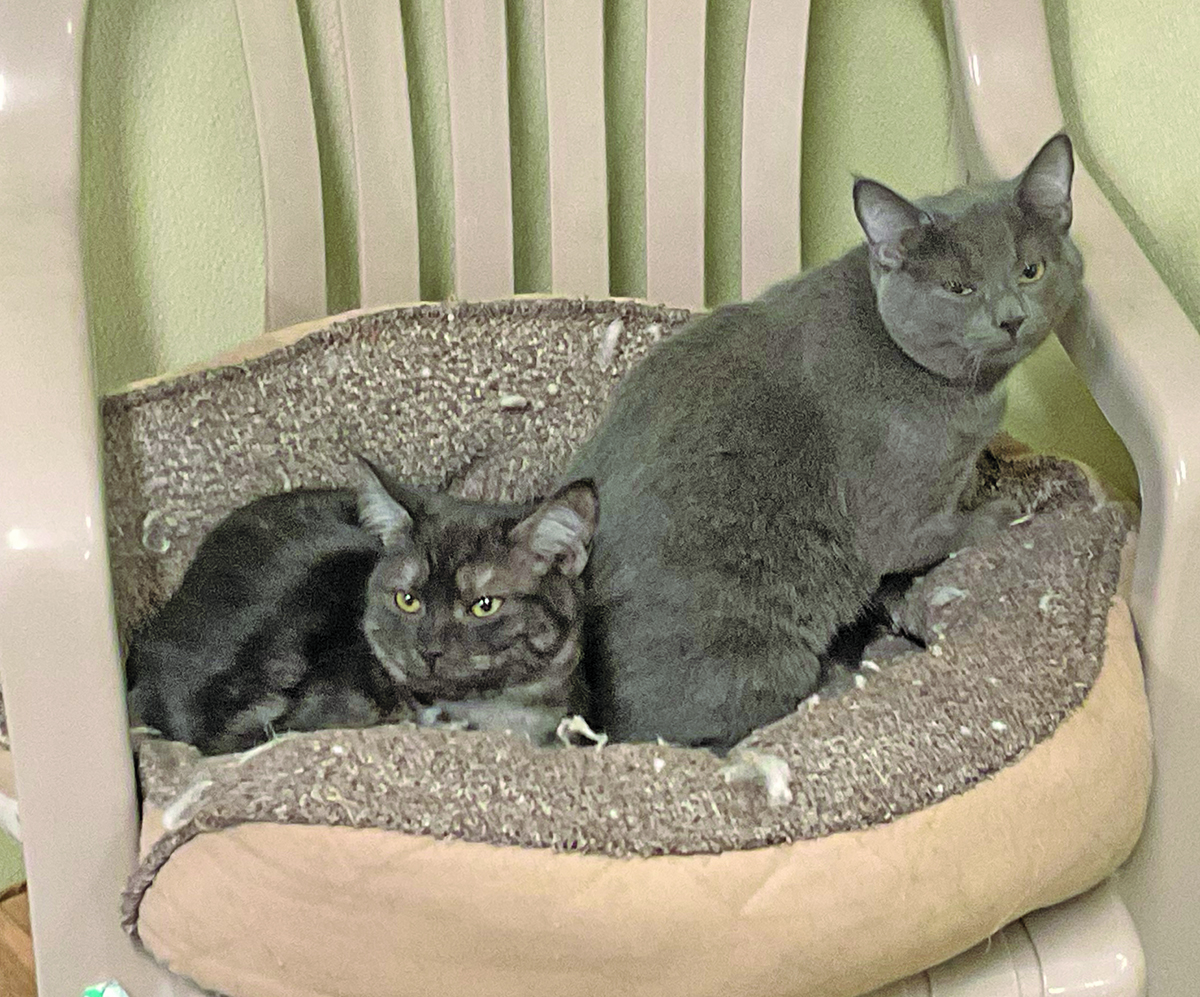
The Cashiers Highlands Humane Society is currently facing an increase in feline populations as “kitten season,” which refers to the time of year when cats are more likely to mate, continues to last much longer than normal.
The CHHS is no stranger to large populations of cats, as their average feline population is typically around 45 in the winter months, however, that number has almost doubled this year and the shelter is approaching feline capacity.
“We have between 75 and 80 cats in total right now, and I would say at least half of those are kittens,” Cashiers Highlands Humane Society Assistant Shelter Manager Jodi Henkel said. “We don’t have any pregnant moms right now, and everything that we do have has been weaned, but we’ve had several pregnant cats over the past few months. But, at least half of the cats we have are under the age of six months.”
Normally, around this time of the year the shelter is only home to around 12 kittens, which tends to be the more skittish ones brought in during the summer. CHHS employees are not fully certain on what has caused such a prolonged kitten season, but Henkel said that closures of vet clinics and decreased adoption rates due to an increase in the cost of living in the wake of the COVID-19 pandemic are two influential factors.
“So the only two things we know that could have added to the reason that this has happened is one, the spay/neuter clinic that we use was shut down for an extended period of time during COVID,” Henkel said. “Then, after COVID, unfortunately there’s a nationwide vet shortage and they are experiencing that too. So we haven’t had quite the volume of appointments. I think a lot of the community cats multiplied while the spay/neuter clinic was closed. Then the secondary thing is that shelters nationwide have seen a decrease in adoptions this year and we think a lot of that may be due to the financial crisis throughout the country and just the cost of living going up so high so fast.”
While the shelter hasn’t seen a drastic drop in feline adoption, with 119 adoptions this year compared to 123 in 2021, as the feline population continues to grow while the number of feline adoptions remains stagnate, the shelter worries about running out of room for new intakes.
“We will [continue to accept cats and kittens] as long as we have space,” Henkel said. “This building is technically supposed to hold 80 cats, obviously we can pull in more cages into certain areas, but when we’re out of space, we’re out of space. We do have regulations we have to follow, like each room can only have 12 cats in it. So if we have an empty cage, we’ll continue to take them, and sometimes that just means we put them on a waitlist and as soon as we have a space opened up, we [have them brought in].”
The shelter is currently searching for more foster families for their cats to help prevent them from having to turn others away due to being a max capacity.
“[One way to help is] obviously, getting cats fixed, even if they’re community cats, and then fostering is always good too, because the cats that aren’t as social stay here longer,” Henkel said. “So socializing small, skittish kittens that have been trapped is very key to them getting adopted, so people willing to foster and work with skittish cats specifically. Obviously, the happy social ones are always the ones to get adopted first, but people really willing to put in time with the borderline ferals or the ones that are just a little more skittish would definitely be beneficial. We have a couple of good fosters but we could have used several more this summer.”
CHHS is always looking to match an animal to their forever home and encourages anyone interested in adopting a pet to visit their website at www.chhumanesociety.org to see a full list of the dogs and cats currently available and to begin the adoption process.